
Think of Integrated Pest Management (IPM) as a common-sense, big-picture approach to getting rid of pests for good. It’s less about just spraying chemicals and more about becoming a detective. A professional pest control service uses IPM to figure out why pests are showing up in your home in the first place and uses that knowledge to build a smart, long-term defence.
The goal isn't just to get rid of the pests you see today, but to solve the root problem so they don't come back tomorrow. It's the strategy we use to deliver effective bed bug removal, rodent removal, and commercial pest control services across Ontario.
A Smarter Way to Think About Home Pest Control
Let's use an analogy. If your basement keeps getting wet, you wouldn't just keep mopping up the puddles, right? You'd find the leak in the foundation and fix it. That's exactly how IPM works for pest control. It’s a thoughtful, multi-step process that prioritizes safety and lasting results over a quick, temporary fix.
This is a huge shift away from the old "spray and pray" methods that often just put a bandage on the problem. IPM is the reason why professionals across Ontario have adopted this as their go-to strategy—it's effective, responsible, and focuses on keeping your home, family, and pets safe.
To give you a better feel for what IPM is all about, let’s look at this quick guide.
Quick Guide to Integrated Pest Management
| Concept | What It Means | Why It Matters for Your Home |
|---|---|---|
| Pest Detective Work | Instead of just reacting, IPM involves careful inspection, monitoring, and correct identification of the pest. | Knowing exactly what you're dealing with—carpenter ants versus pavement ants in your Aurora home—is crucial for choosing the right solution. |
| Solving the Root Cause | The focus is on finding and eliminating the conditions that attract pests, like food sources, water, or entry points. | This prevents future infestations. Sealing a crack where mice get in is more effective than just setting traps forever. Find a pro at /pest-control. |
| Smart, Layered Defence | IPM uses a combination of tactics, starting with the safest first (like sanitation and traps) and only using chemical treatments when necessary. | It minimizes the use of pesticides in and around your home, creating a safer environment for kids and pets. |
| Long-Term Prevention | The ultimate goal is to make your home less inviting to pests in the future through ongoing monitoring and preventative measures. | You get lasting peace of mind instead of dealing with recurring pest problems. Our pros in Niagara Falls specialize in this. |
As you can see, IPM is more of a mindset than a single product. It’s about making smart, informed decisions every step of the way.
The IPM Philosophy in Action
So, what does this look like in the real world? An expert using IPM doesn't just show up ready to spray. They start by asking questions and investigating.
- What kind of pest is this, really? The strategy for dealing with carpenter ants damaging a home in Aurora is completely different from managing a few pavement ants on the patio. Proper identification is everything.
- How big is the problem? A few spiders in the corner might just be a nuisance, but a growing rodent population is a genuine threat to your property and health. The response has to match the risk.
- What's the best tool for this specific job? The solution is always customized. An expert will lean on non-chemical methods first and only bring in pesticides as a targeted, last-resort tool.
Let’s say you have a rodent problem in your Milton home. An IPM professional won't just toss some bait stations in the basement. They’ll get on their hands and knees to inspect your foundation, find every little crack mice could be squeezing through, and seal them up. They'll also give you practical advice on securing food sources and eliminating water, all while using traps strategically. That’s how you solve a rodent problem for good. For expert rodent removal, a solid IPM plan is non-negotiable.
Integrated Pest Management isn't a single action. It is a mindset and an attitude towards every decision taken, with its roots firmly anchored in good agricultural and home-care practices.
Ultimately, IPM brings you peace of mind. By focusing on prevention and using treatments thoughtfully, it creates a safer home. Whether you need commercial pest control for your business in Toronto or are facing a stubborn bed bug removal battle, look for a professional who lives and breathes the IPM approach. It’s your best guarantee for a lasting solution.
The Four Pillars of an IPM Program
Think of a proper Integrated Pest Management program not as a quick fix, but as a strategic, four-part mission. It's the framework professionals in cities like Toronto and Milton rely on to tackle pest problems for good, ensuring every move is smart, targeted, and built to last.
This process is a continuous cycle—a loop of prevention, careful diagnosis, and tailored solutions, rather than just a one-and-done reaction.

Let's unpack what each of these crucial pillars really looks like in practice.
1. Setting Action Thresholds
First things first: when does a pest go from being a minor nuisance to a genuine problem? This is what we call setting an action threshold. It’s the specific point where pest numbers or environmental conditions demand that we step in and take action.
For a homeowner in Niagara Falls, a single ant on the kitchen counter probably isn't a crisis. But a steady, organized trail of them marching toward the pantry? That’s a clear sign the threshold has been crossed and it's time to call for pest control.
For a commercial client, like a restaurant in downtown Toronto, that threshold is far lower. Just one cockroach sighting is enough to trigger a response because of the serious health risks involved. It’s all about context.
2. Monitoring and Identification
This stage is all about detective work. You can’t fight an enemy you don’t know. Before lifting a finger to treat the problem, a professional needs to correctly identify the pest and get a handle on its activity levels.
- Real-World Example: Imagine a homeowner in Aurora finding piles of what looks like sawdust near their wooden deck. An amateur might jump to conclusions and assume termites. But a professional inspection reveals the culprits are actually carpenter ants. This distinction is critical—the treatment for each is completely different.
- Monitoring Techniques: This part of the process might involve setting sticky traps to see what’s crawling around, meticulously inspecting potential entry points, or looking for tell-tale signs like droppings, nests, or damage.
This careful observation takes the guesswork out of the equation, ensuring the solution is perfectly matched to the pest you’re actually dealing with.
An IPM approach isn't just one specific action. It's a mindset—a way of thinking that guides every decision, rooted firmly in common sense and good practice.
3. Prevention First
Honestly, this is the most powerful pillar of IPM. The ultimate goal is to make your property an unwelcome and inaccessible place for pests in the first place. This is where a truly long-term solution begins.
Preventative measures are often surprisingly simple but incredibly effective:
- Seal Entry Points: A technician might find a tiny, dime-sized gap around a pipe in a Milton basement and seal it up. Just like that, the main highway for mice into the house is closed for good. This is a fundamental part of any professional rodent removal service.
- Remove Attractants: This could be as straightforward as advising a client on using sealed food containers, securing garbage bins, and getting rid of standing water that acts as a breeding ground for mosquitoes.
- Modify the Habitat: Sometimes, the fix is as simple as trimming tree branches that touch your roof. This simple act can stop pests like squirrels and ants from having an easy bridge to your attic.
4. Control Methods
Only after the first three pillars are addressed does a professional choose the right control methods. The IPM philosophy always prioritizes non-chemical options first, saving pesticides as a targeted, last-resort tool.
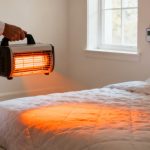
For instance, if a family needs bed bug removal in their Toronto home, an IPM expert won’t just start spraying. They'll combine physical methods like high-heat treatments and mattress encasements with the careful, precise application of approved products only where absolutely necessary.
This layered strategy is not only safer for your family and pets but also far more effective at eliminating the infestation for good.
To bring it all together, here’s a quick summary of how these four pillars work in a real-world Ontario home.
The Four Pillars of Integrated Pest Management
| Pillar | Goal | Example Action in an Ontario Home |
|---|---|---|
| 1. Action Thresholds | Define when action is needed. | A few wasps near a backyard shed is tolerable, but a visible nest growing near the front door means the threshold is crossed. |
| 2. Monitoring & ID | Identify the pest and its habits. | A technician sets traps and inspects an Aurora attic, confirming that the scratching sounds are from squirrels, not raccoons. |
| 3. Prevention | Make the property unattractive to pests. | After removing the squirrels, the expert installs a sturdy mesh over the roof vent they were using to get in. |
| 4. Control | Select the safest, most effective treatment. | Instead of broad spraying for ants, the pro uses targeted bait stations along known ant trails to eliminate the colony at its source. |
By moving through these stages logically, an IPM professional delivers a solution that doesn't just get rid of the immediate problem—it helps prevent it from ever coming back. Find a pro on our /pest-control page.
Exploring the IPM Toolkit of Control Methods
So, what happens when prevention isn’t enough and pests have officially crossed the line? This is where an IPM professional opens up their toolkit, and it contains a lot more than just a bottle of spray. The real magic of Integrated Pest Management is in choosing the right tool for the job.

The approach is always layered, starting with the simplest, lowest-impact solutions first. It’s a lot like how a doctor treats an illness—they’ll recommend rest and a change in diet before jumping straight to the strongest medications.
Cultural and Biological Controls
The first line of defence is often about changing the environment itself. We call these cultural controls, and they’re all about tweaking your routines to make your home less welcoming to uninvited guests.
- Sanitation: Something as simple as wiping up food spills right away or making sure your garbage bins are sealed tight can cut off the food supply for ants and rodents.
- Habitat Modification: Imagine a homeowner in Niagara Falls dealing with wasps every summer. An IPM pro might notice an old woodpile stacked against the house—a perfect spot for queen wasps to spend the winter. Moving it is a simple cultural control.
Then there are biological controls, which is a fancy way of saying we use a pest's natural enemies against them. While it’s a bigger deal in farming, the principle still applies at home. A good pro will try to protect beneficial creatures, like the spiders that quietly hunt down other bugs in your home.
Mechanical and Physical Controls
This is where we get hands-on. Mechanical and physical controls are all about physically blocking, trapping, or removing pests. These methods are the bedrock of any solid home pest management plan.
Let’s say a family in Aurora is seeing way too many spiders and centipedes. Instead of just spraying the basement over and over, an IPM technician will look for the why. They might find tiny cracks in the foundation. Sealing those entry points is a permanent mechanical fix that solves the problem for good.
"Instead of just reacting, IPM involves careful inspection, monitoring, and correct identification of the pest. Knowing exactly what you're dealing with—carpenter ants versus pavement ants, for instance—is crucial for choosing the right solution."
Other common examples you’ve probably seen include:
- Installing sweeps under doors to keep mice out.
- Placing sticky traps to see if cockroaches are lurking.
- Setting up snap traps for a specific rodent problem.
These methods work so well because they physically stop pests in their tracks, often without needing to introduce chemicals into your living space. If you're using traps, you might be interested in our guide on choosing the best rat bait for rat traps.
Judicious Use of Chemical Controls
Finally, when nothing else will get the job done, chemical controls come into play. But in an IPM program, this isn’t a "spray and pray" situation. It's more like surgery—precise and targeted. The goal is to hit the pests hard while keeping your family, pets, and the environment safe.
Think about a cockroach problem in a Toronto condo. Instead of fogging the entire apartment, a professional will use small dabs of gel bait in the hidden cracks and crevices where cockroaches travel. It takes the fight directly to the source. The same goes for a serious bed bug removal job, where treatments are focused on mattress seams and wall voids, not just sprayed everywhere.
This smarter, targeted approach has a proven track record. The University of California's Statewide IPM Program, established way back in 1979 to combat rising pesticide use, showed just how effective it is. In trials, simple scouting and monitoring led to a staggering 71-84% reduction in insecticide use. For Canadian homeowners, this is a powerful reminder that a smarter approach is also a safer one.
How IPM Solves Real Ontario Pest Problems
It’s one thing to talk about IPM in theory, but what does it actually look like when a pest control pro shows up at your door? Let's walk through a couple of real-world scenarios to see how this smarter approach solves common pest headaches for families across Ontario—and why it delivers lasting results, not just a quick spray-and-pray fix.

These stories really highlight the difference between simply reacting to a pest and strategically taking apart the problem at its source. It's about thinking like a detective, not just an exterminator.
Case Study: A Milton Family's Garage Mice
Picture this: a family in Milton starts finding the classic signs of mice in their garage—chewed-up cardboard boxes and tiny droppings. The old-school approach? Throw down some poison bait and hope for the best. An IPM professional, on the other hand, treats that garage like a crime scene to figure out exactly how the culprits are getting in.
Here’s how their process unfolds:
- Thorough Inspection: The technician doesn't just glance at the droppings. They meticulously inspect the entire garage perimeter, looking for tiny cracks in the foundation, gaps under the garage door, and spaces where utility lines enter the home.
- Exclusion First: Bingo. They find a small, pencil-sized hole near the foundation—it's a mouse superhighway. The first and most important step is to seal that entry point with steel wool and caulking. The door is now closed.
- Strategic Trapping: With the way in blocked, the expert places a few snap traps along the walls where mice naturally travel. This targets the rodents already inside without resorting to poisons that could be a danger to the family pets.
- Client Education: Finally, they'll chat with the homeowners about cultural controls. Simple things, like storing birdseed in sealed metal containers instead of bags and keeping garbage bins away from the garage door, make a huge difference.
This isn't a temporary band-aid; it's a permanent solution. For reliable rodent removal that gets to the heart of the problem, this IPM strategy is the only way to go.
Case Study: A Niagara Falls Kitchen's Ant Invasion
Now, let's head over to a kitchen in Niagara Falls with a frustrating ant problem. Every spring, like clockwork, a trail of ants marches across the countertops. The homeowner has tried countless store-bought sprays, but they always come back.
An IPM approach should not be considered as one specific action. Rather, it is a mindset and an attitude towards every decision taken, with its roots firmly anchored in good home-care practices.
An IPM expert thinks differently. Spraying the visible ants is pointless—they’re just the workers. The real goal is to find and eliminate the entire colony.
The technician follows the trail, not just inside but outside the house, tracing it all the way back to a nest under a patio stone. Instead of soaking the kitchen in chemicals, they use a targeted gel bait, placing a small amount discreetly along the ants' path. The worker ants think it's food, carry it back to the nest, and unknowingly eliminate the queen and the whole colony from the inside out. It's far more effective and keeps pesticide use in the home to an absolute minimum.
Whether you're facing a complex issue that requires bed bug removal or need dependable commercial pest control for your business, the core principles are the same. You can dive deeper in our guide on how to get rid of bed bugs. When you're ready for a real solution, ServiceQuotes.ca connects you with local pest control experts in Toronto, Aurora, and across Ontario who use these smart IPM strategies.
The Real-World Benefits of IPM for Your Home
Thinking about Integrated Pest Management isn't just about getting rid of pests. It's about a smarter, safer way of living in your home. This approach gives you peace of mind because it's built on a foundation of safety, sustainability, and real, long-term solutions. It’s a shift away from quick fixes toward a healthier home environment for everyone.
Probably the biggest win here is the enhanced safety for your family and pets. IPM puts prevention and physical barriers first, which drastically cuts down on the need for chemical sprays inside and around your living spaces. When a pesticide is actually needed, it’s used as a last resort and with surgical precision—not broadcast everywhere—minimizing any risk to your kids and animals.
A Smarter Investment in Your Property
Some people worry that a more thoughtful approach like IPM might cost more upfront. But in reality, it’s far more cost-effective in the long run. A quick "spray-and-pray" visit might seem like a bargain, but it’s often a temporary band-aid that needs to be reapplied again and again because it never addresses the root cause.
An IPM professional, on the other hand, is like a detective focused on solving the mystery for good.
- Sealing the tiny crack mice are using is a one-time fix that ends the cycle of constantly setting traps.
- Finding and fixing a leaky pipe eliminates the moisture that fungus gnats need to thrive.
- Using targeted baits ensures the entire ant colony is dealt with, not just the few foraging workers you happen to see.
By focusing on permanent solutions, you stop paying to solve the same frustrating pest problem over and over again.
Better for Your Home and the Environment
Choosing IPM is also a more responsible way to care for the world outside your door. By using fewer pesticides, you're helping protect local wildlife, groundwater, and beneficial insects like bees and butterflies. This isn't just a nice idea; it has a massive, proven impact.
A landmark effort in California showed just how powerful this is. By focusing on monitoring and prevention instead of routine spraying, they managed to cut the use of high-concern pesticides by a staggering 88% between 1993 and 2010. Learn more about these impressive IPM results.
That same smart thinking works right here at home in Ontario. Whether you're looking for an expert in rodent removal in Milton or need discreet commercial pest control in Toronto, choosing an IPM professional is a wise investment. It’s the best way to protect your property and the people in it. You can find vetted, local experts who live and breathe the IPM philosophy on our pest control pages.
Ready to Connect With a Local IPM Professional?
Taking an Integrated Pest Management approach is, without a doubt, the smartest way to protect your home. If there's one thing to take away from all this, it's that IPM isn't just a buzzword—it's the gold standard for responsible, effective pest control. And the key to making it work? A qualified professional who can get to the root of the problem.
Instead of playing a guessing game with traps and sprays, let a trained expert figure out why the pests are there in the first place.
That’s where ServiceQuotes.ca comes in. We take the hassle out of finding a trusted local expert. We’ll connect you with vetted professionals who live and breathe IPM, whether you're dealing with a full-blown infestation or just want to set up a solid prevention plan. You can get up to three free, no-obligation quotes from top-rated providers in your area, often in just a few minutes.
Get Fast, Reliable Help Anywhere in Ontario
From the bustling streets of downtown Toronto to the quiet suburbs of Milton, our network has you covered. We help homeowners find the right pro for any situation, including:
- Urgent Bed Bug Removal: When you need fast, discreet help from specialists in cities like Toronto who know how critical the situation is.
- Effective Rodent Control: Finally solve your mouse and rat problems by sealing up entry points and getting rid of the source for good in areas like Milton.
- Proactive Commercial Pest Control: Protect your business and your reputation with a customized IPM strategy. Visit our pest control page to learn more.
Whether you're in Aurora or Niagara Falls, the right help is just a few clicks away. It’s time to stop reacting to pests and start proactively preventing them.
Curious about what professional services might set you back? It's always good to have a ballpark figure in mind. You can get a better idea by checking out our guide on pest control costs. When you're ready, connect with a pro on our pest control pages and get the job done right.
Got Questions About Integrated Pest Management? We've Got Answers
It’s completely normal to have questions when you’re thinking about a different way to handle pests. Getting a clear picture of what Integrated Pest Management really is can help you feel confident you're making the right call for your home and family. Let's walk through some of the most common questions we hear from homeowners across Ontario.
Does IPM Cost More Than Just Spraying?
It's a fair question. At first glance, a comprehensive IPM plan might look pricier than a one-and-done chemical spray. But you have to think about the long game. IPM is all about getting to the root of the problem—sealing up that crack mice are using in your Milton home, fixing the moisture issue that attracts ants in Aurora, and getting rid of their food sources.
When you do that, you stop the endless cycle of paying to fix the same pest issue year after year. It's a proactive investment that saves you a ton of money and stress down the road.
Can I Do IPM On My Own?
You bet! In fact, a lot of the foundational principles of IPM are simple things homeowners can easily tackle themselves. Keeping food in sealed containers, repairing a leaky pipe under the sink, or sealing up gaps around your foundation are all fantastic DIY prevention tactics. These small actions go a long way in making your home less of a magnet for pests.
Where it gets tricky is with correctly identifying the pest and figuring out the best way to deal with an active infestation. That's where a pro comes in. An expert can tell you if you're dealing with destructive carpenter ants or just harmless pavement ants, and they can find entry points you’d never think to look for. They have the right tools and knowledge to apply specific treatments safely. Find a local expert on our pest control page.
Does IPM Mean You Never Use Pesticides?
This is probably the biggest myth out there. IPM is not a "no chemicals, ever" approach. What it actually means is that pesticides are used smartly and responsibly, and only when they’re truly needed. They're a tool in the toolbox, not the first and only solution.
Think of it this way: IPM uses pesticides with the precision of a surgeon's scalpel, not with the broad spray of a fire hose.
If you're facing a really tough bed bug removal problem or a serious cockroach infestation in Toronto, a targeted chemical treatment might be the final, necessary step after other methods have been tried. It’s all about using the most effective solution with the least amount of risk to your family, your pets, and the environment.
Ready to solve your pest problems for good with a strategy that’s safe and effective? ServiceQuotes.ca connects you with vetted, local experts who specialize in Integrated Pest Management. Whether you need bed bug removal in Toronto or rodent removal in Milton, get up to three free quotes from trusted professionals in your area today.